
When orders stack up and a critical component fails or a new design needs rapid prototyping, the difference between meeting a customer deadline and losing the contract often comes down to the reliability of your subcontract machining partner. Many manufacturers ask the same practical question: how can CNC milling and turning actually protect my production schedule rather than become another variable that delays it?
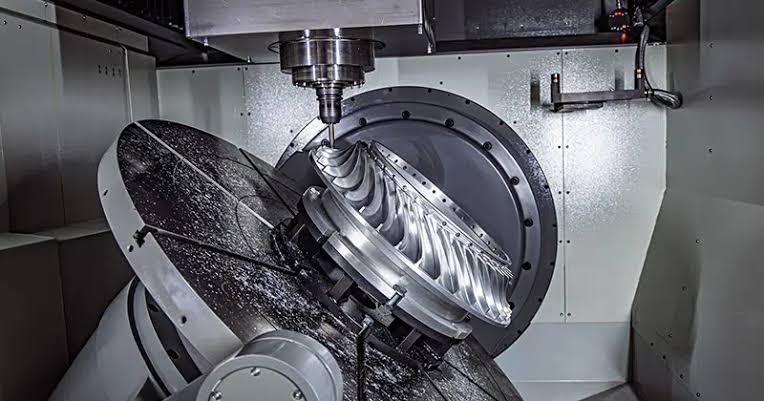
The answer lies in a combination of capability, communication and problem-solving mindset. Modern CNC milling and turning centres deliver high-precision parts in metals and engineering plastics with repeatability that manual processes simply cannot match. For automotive, motorsport, medical, oil & gas, aerospace and nuclear sectors, that precision is non-negotiable. Tolerances measured in microns, complex geometries and consistent surface finishes are now baseline expectations.
Yet machines alone are not enough. A reliable partner looks at the whole process. Design for manufacture feedback early in a project can eliminate costly redesigns later. Reverse engineering of a worn or obsolete part can restore production without waiting months for original tooling. Break-fix support when a machine is down keeps lines moving. These are the services that turn a simple machining supplier into an extension of your own engineering team.
Consider a typical scenario. A motorsport team needs a batch of lightweight structural brackets for a mid-season update. Material is specified, geometry is complex, and the race calendar will not wait. A capable CNC house can take the CAD data, advise on fixture strategy, programme the toolpaths, machine the parts and deliver inspected components within days rather than weeks. The same capability applies to medical device housings that must meet strict cleanliness and traceability standards, or oil-and-gas components that face corrosive environments and high pressures.
Communication matters as much as the machines. Clear lead-time commitments, proactive updates when material shortages appear, and honest conversations about what is realistic prevent unpleasant surprises. When the unexpected happens and an urgent repair, a last-minute design change, he partner who already understands your drawings and quality requirements can respond faster than a new supplier still learning the basics.
Quality systems underpin everything. ISO-aligned processes, first-article inspection, material certificates and full traceability give you confidence that every batch will match the last. For regulated industries this documentation is often as important as the physical part itself.
Choosing the right partner also reduces total cost of ownership. Lower scrap rates, fewer rejected deliveries and reduced internal inspection time free your own engineers to focus on product development rather than chasing suppliers. Over a year the savings in both time and money become significant.
If your current machining supplier is struggling with capacity, communication or technical support, it may be time to explore alternatives. Look for a company that offers both milling and turning under one roof, has demonstrable experience in your sector, and treats reverse engineering and design assistance as core services rather than afterthoughts. Visit their facility if possible, review recent case studies, and speak to existing customers about responsiveness under pressure.
In short, CNC milling and turning keep production running when the partner combines advanced equipment with practical engineering insight and reliable delivery. The question is no longer whether the technology exists, it does, but whether you have the right team applying it to your specific challenges. For manufacturers who value precision, speed and partnership, that combination is available and can make the difference between missed deadlines and consistent on-time performance.
Explore more about precision CNC solutions at https://sotekengineering.com/.